
12th-18th c.
Żyrań - a meadow on the Vistula
Żyr means a forest pasture. The village of Żyrań, first mentioned in 1425, was for centuries a wooded pasture where cattle grazed. The spelling Żerań became standard in the 19th century.
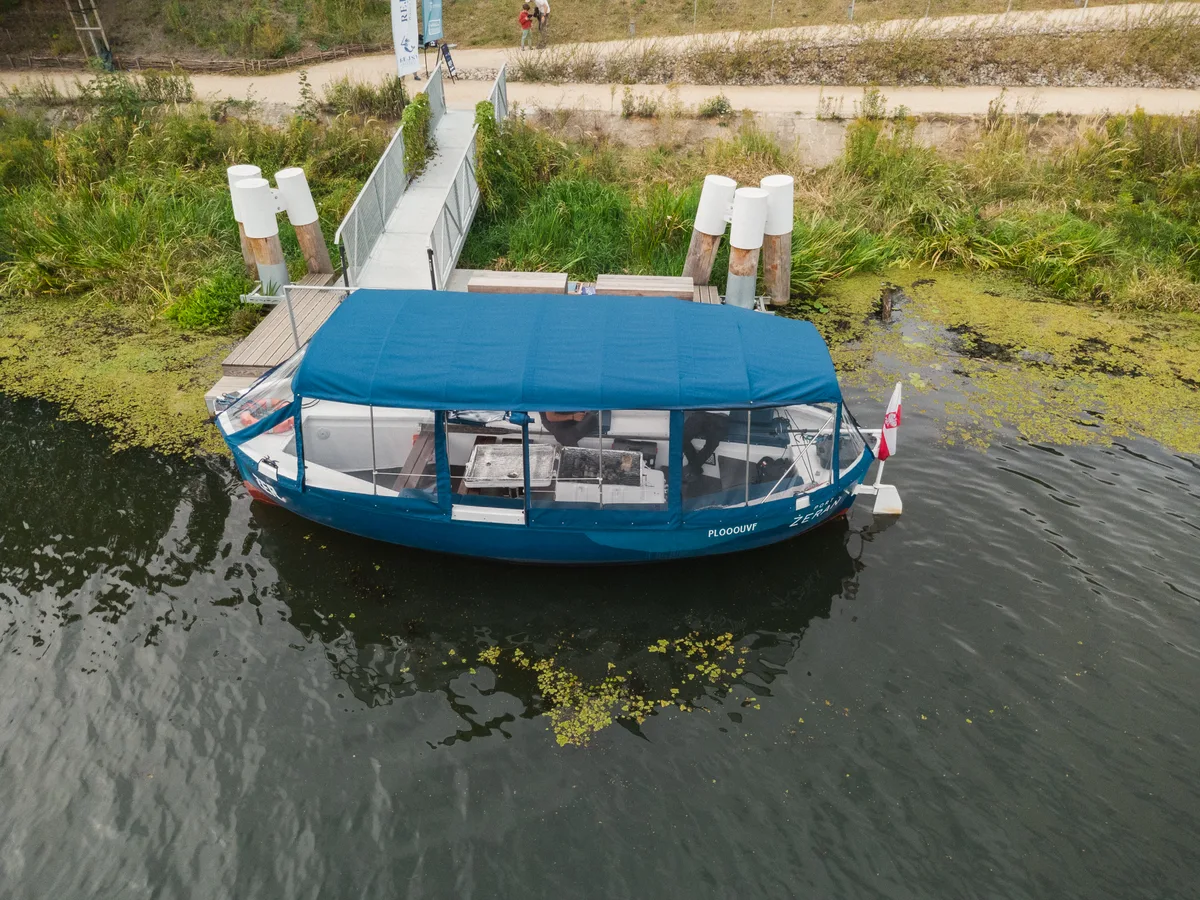
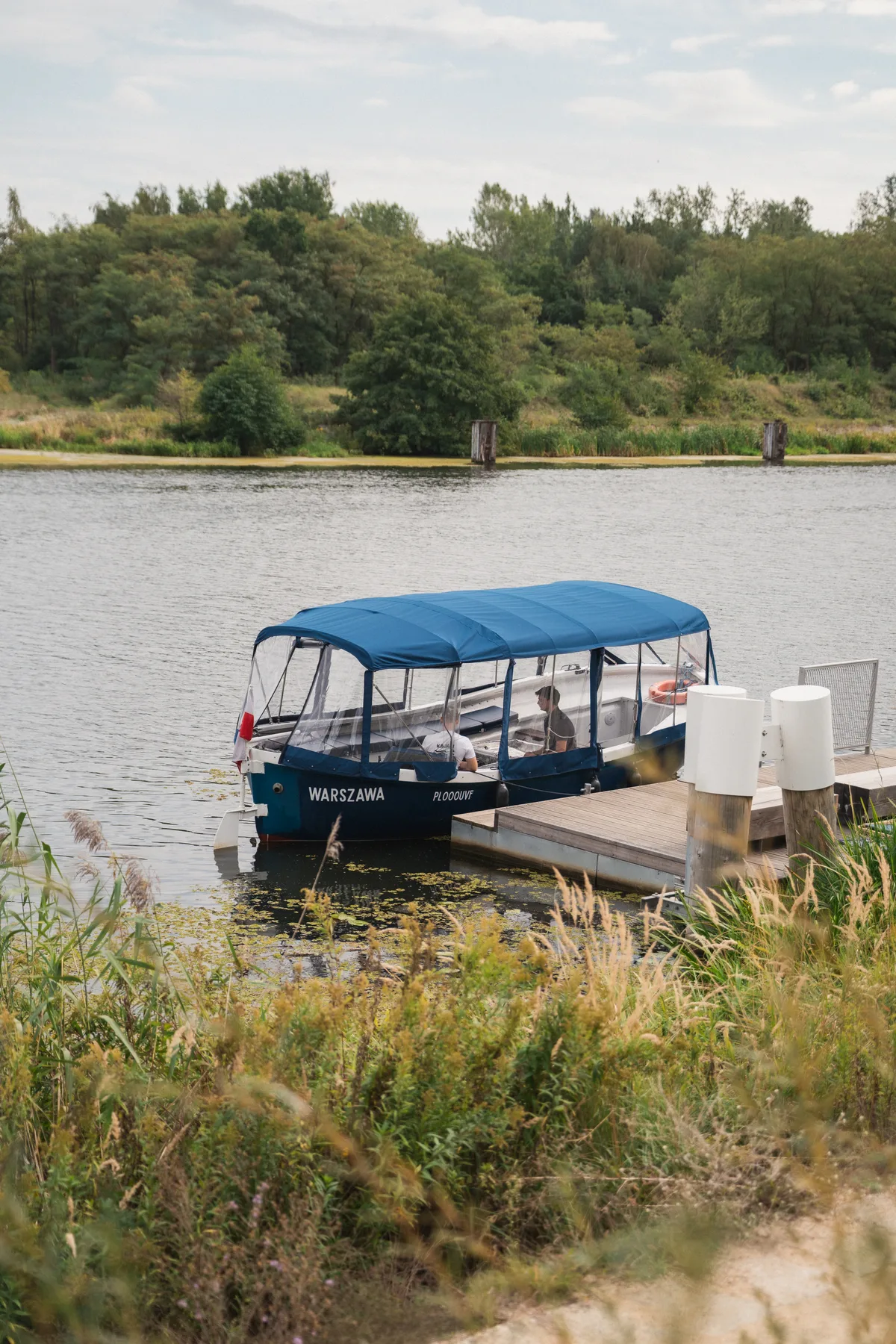
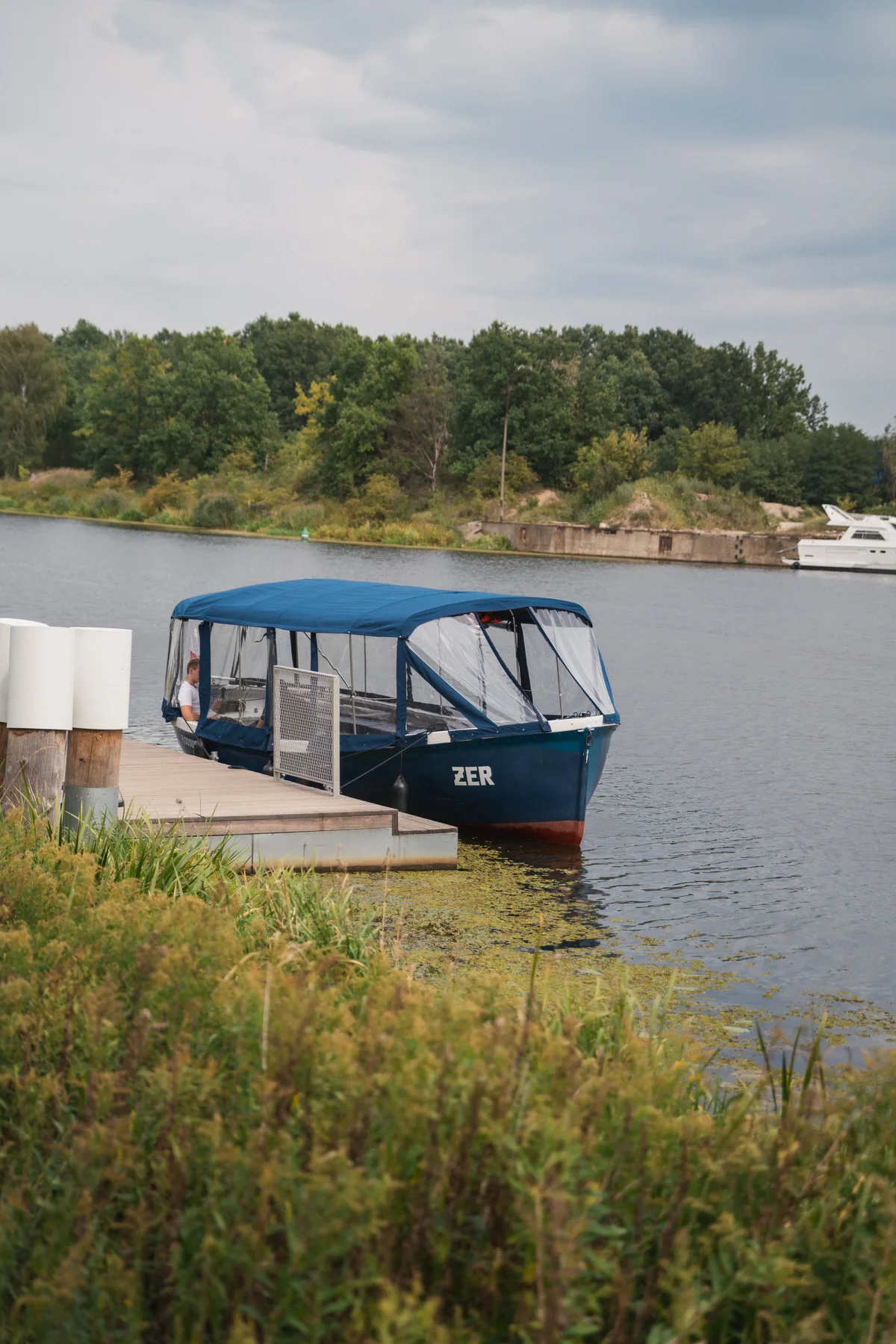
We board at the wooden pier at Żerański Park - eighteen hectares of meadows, paths and quiet right by the canal, just a few minutes from the centre of right-bank Warsaw.
Real Google Maps reviews from people who cruised with us on the Żerański Canal.
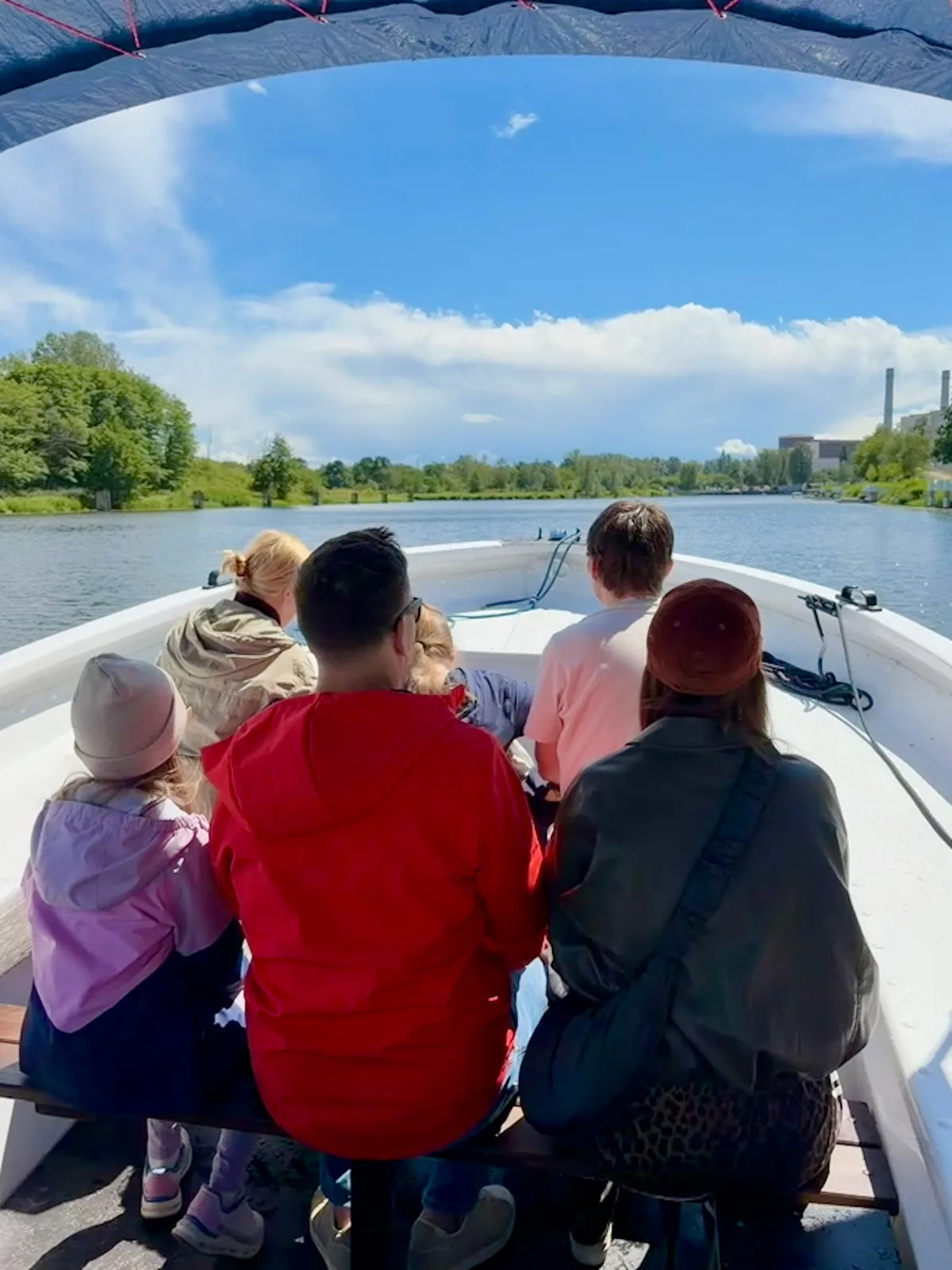
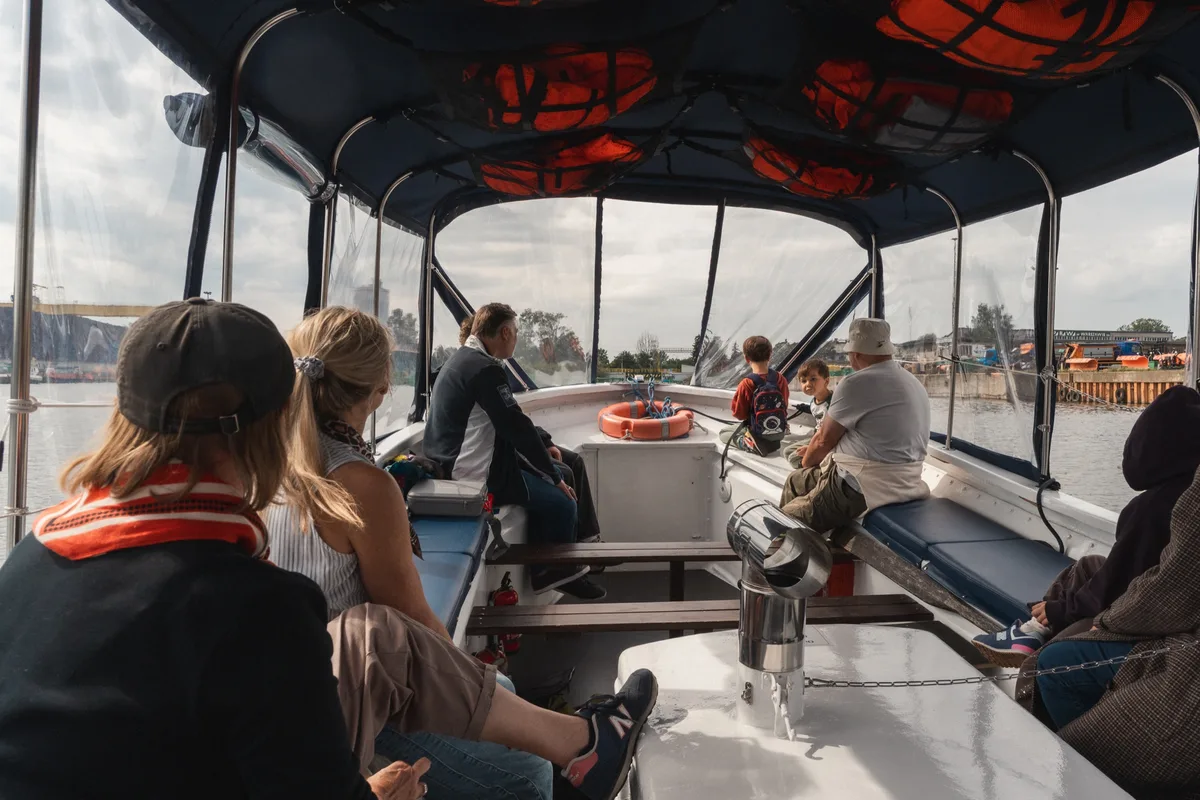
During the 40-minute cruise we sail through five centuries of history of a district that most Warsaw residents know only by name.
Żyr means a forest pasture. The village of Żyrań, first mentioned in 1425, was for centuries a wooded pasture where cattle grazed. The spelling Żerań became standard in the 19th century.
Railway lines cut across the meadows, a thin strip of wooden houses lines Modlińska street. In 1916 Żerań was absorbed into Greater Warsaw - no longer a village, but not yet an industrial district.
Between 1951 and 1963 the Żerański Canal was dug, connecting the Vistula with Zegrzyński Reservoir. On its bank grew FSO - the Passenger Car Factory - producing the Warszawa, Syrena and Polonez.
FSO closes its gates. The chimneys go cold. Żerań becomes a place Warsaw passes through on the way somewhere else. For a decade the district waits for a new purpose.
Żerański Park opens 18 hectares of meadows and piers on the canal. Kayakers and rowers return. Where factory halls once stood, new housing estates grow. The canal becomes the axis of a new district.
75 PLN / person · discounts for children · max. 11 people